
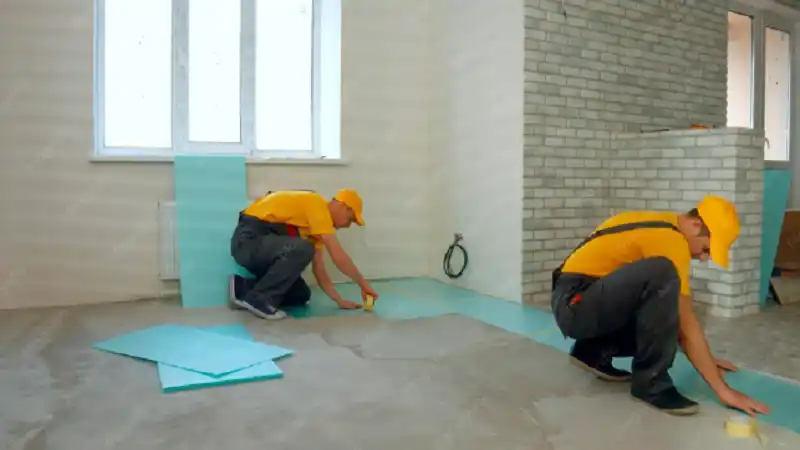
A home is more than just a place to sleep. It is where families spend time together, relax after busy days, and create lasting memories. Over time, however, rooms can begin to look outdated, storage may become insufficient, and certain areas may need repairs or improvements. Home upgrades can help make a living space more comfortable, attractive, functional, and energy-efficient.
Many homeowners believe that improving a house requires a large budget or a complete renovation. In reality, small changes can make a noticeable difference. Fresh paint, better lighting, organized storage, improved ventilation, and simple decorative updates can transform a room without requiring extensive construction.
The idea of home upgrading mintpalment can be approached as a practical way to think about home improvement, planning, and making better use of available resources. By identifying household needs and choosing suitable projects, homeowners can improve their living spaces gradually and responsibly.
This article explains how to plan home upgrades, manage costs, improve different rooms, select suitable materials, and maintain a comfortable home. It also provides useful guidelines for making home improvement projects more organized and successful.
1. What Is Home Upgrading?
Home upgrading refers to making changes that improve a property’s appearance, comfort, safety, efficiency, or functionality. These improvements can range from simple decorative changes to major renovation projects.
Some upgrades focus on appearance, such as repainting walls, replacing curtains, or updating furniture. Others address practical needs, including repairing plumbing, improving insulation, upgrading electrical systems, or replacing damaged flooring.
The best upgrades depend on the property’s condition, the homeowner’s budget, and the needs of the people living there.
For example, a family with limited storage might benefit more from shelves and cabinets than from expensive decorative features. Similarly, a home with poor ventilation may need better airflow before additional decorative work is considered.
The main goal is to make improvements that provide lasting benefits rather than spending money on changes that do not solve real problems.
2. Create a Clear Home Improvement Plan
Planning is one of the most important steps in any home improvement project. A clear plan helps homeowners understand what needs to be done, how much it may cost, and which tasks should come first.
Identify Your Priorities
Begin by walking through the house and examining each room. Look for damaged surfaces, outdated fixtures, poor lighting, storage problems, and areas that are difficult to use.
Separate the findings into three groups:
- Essential repairs: Problems involving safety, water leaks, damaged wiring, structural concerns, or other urgent issues.
- Functional improvements: Changes that make rooms easier to use, such as additional storage or better lighting.
- Decorative upgrades: Changes that improve appearance, including paint colors, artwork, curtains, and decorative accessories.
Address safety issues and damage before spending money on optional decorations.
Set Realistic Goals
Choose a specific goal for each project. Instead of deciding to improve the entire house immediately, start with a manageable task, such as organizing the kitchen or refreshing a bedroom.
Clear goals make it easier to measure progress and prevent unnecessary spending.
Make a Project Schedule
Estimate how much time each task will require. Consider work commitments, family responsibilities, material delivery, and the availability of professionals.
A realistic schedule reduces stress and helps prevent several unfinished projects from accumulating around the house.
3. Set a Budget and Control Expenses
A practical budget helps homeowners make informed decisions and avoid financial pressure during renovations.
Estimate the Total Cost
Before beginning, list the expected costs of materials, tools, labor, transportation, and waste removal. Include smaller expenses such as screws, sealants, paintbrushes, and protective coverings.
Obtain multiple quotations for significant jobs and compare the scope of work rather than looking only at the final price.
Keep an Emergency Reserve
Home improvement projects sometimes reveal hidden problems, including damaged pipes, moisture behind walls, or deteriorated materials.
Set aside a contingency amount appropriate to the project’s size and condition. A reserve of around 10–20% may be useful for many renovation projects, although older or uncertain properties may require a larger allowance.
Choose Value Over Appearance Alone
An inexpensive product is not always the most economical choice if it needs frequent replacement. Consider durability, maintenance requirements, safety, and suitability for the local climate.
For example, moisture-resistant materials may be a sensible investment in bathrooms and kitchens.
Avoid Unnecessary Purchases
Reuse suitable furniture, repair items when practical, and compare material prices before buying. Purchasing only what is needed helps reduce waste and keeps the project within budget.
4. Improve the Living Room
The living room is often a central gathering place for families and guests. A few carefully selected upgrades can make it more comfortable and welcoming.
Refresh the Walls
A new coat of paint can change the appearance of a room without requiring extensive work. Neutral shades can create a calm atmosphere, while carefully chosen accent colors can add personality.
Before painting, repair damaged areas, prepare the surface, and choose paint appropriate for the wall material.
Improve Lighting
Use a combination of general lighting and smaller lights for reading or relaxing. Make the most of natural daylight by keeping windows clean and avoiding unnecessary obstructions.
Choose light fixtures that suit the room’s size and purpose. Electrical installation or wiring changes should be handled by a qualified professional when required.
Arrange Furniture Thoughtfully
Arrange seating to support conversation and maintain clear walking paths. Avoid overcrowding the room with furniture that limits movement.
A practical layout can make even a small living room feel more spacious.
Add Simple Decorative Details
Curtains, cushions, rugs, plants, and framed pictures can improve the overall appearance of a room. Choose items that complement one another rather than introducing too many competing colors and patterns.
5. Upgrade the Kitchen for Better Functionality
The kitchen is one of the most frequently used spaces in a home. Improving its organization and usability can make everyday cooking and cleaning easier.
Organize Cabinets and Drawers
Group similar items together. Keep frequently used cookware and ingredients within easy reach, and store occasional-use items in less accessible spaces.
Drawer dividers, shelves, and reusable containers can help make better use of available storage.
Improve Countertop Space
Remove unnecessary items from work surfaces and keep frequently used appliances in convenient locations.
Before installing new countertops, consider durability, cleaning requirements, moisture resistance, and the available budget.
Update Fixtures Carefully
Replacing worn handles, taps, or suitable light fixtures can refresh the kitchen without requiring a complete remodel.
However, plumbing and electrical work should be completed safely and in accordance with applicable requirements.
Maintain Cleanliness
Clean spills promptly, inspect areas around sinks for leaks, and ensure suitable ventilation when cooking. Regular maintenance can prevent small problems from developing into expensive repairs.
6. Make the Bedroom More Comfortable
A bedroom should support rest, privacy, and relaxation. Upgrades should focus on comfort and a layout that suits the people using the space.
Choose Comfortable Bedding
Clean, suitable bedding and a supportive mattress can improve everyday comfort. Replace worn items when necessary rather than purchasing decorative products that do not address actual needs.
Reduce Clutter
Use bedside tables, wardrobes, under-bed storage, or suitable shelving to organize personal belongings.
Keep pathways clear, especially around doors and exits, to improve convenience and safety.
Use Relaxing Colors
Soft, balanced colors can create a peaceful atmosphere. However, personal preference matters, and there is no single color scheme that works for everyone.
Coordinate wall colors, bedding, and curtains to create a consistent appearance.
Improve Airflow and Light Control
Use suitable window coverings to control daylight and privacy. Ensure the room has adequate ventilation and address dampness or condensation promptly.
A comfortable temperature and a quiet sleeping environment can also contribute to better rest.
7. Upgrade Bathrooms and Improve Safety
Bathrooms need particular attention because moisture, slippery surfaces, and plumbing problems can create maintenance and safety concerns.
Repair Leaks Promptly
Check taps, pipes, toilet connections, and areas around showers for signs of leakage. Repairing problems early can prevent water damage and reduce unnecessary water use.
If moisture appears inside walls or ceilings, investigate the source rather than simply covering the affected area.
Improve Ventilation
A suitable exhaust fan or effective natural ventilation can help control humidity. Regularly check for mold and condensation, particularly in corners and around windows.
Persistent mold or moisture problems may require professional assessment.
Choose Slip-Resistant Surfaces
When replacing bathroom flooring, consider materials designed for wet environments. Secure floor mats and avoid creating obstacles near the shower or toilet.
Grab bars and other accessibility features may also improve safety for older adults and people with mobility limitations.
Refresh Small Details
New mirrors, storage shelves, towel rails, or suitable fixtures can improve convenience and appearance without a full renovation.
8. Improve Energy Efficiency
Energy-efficient upgrades can make a home more comfortable and may reduce utility expenses over time.
Use Energy-Efficient Lighting
Replacing older bulbs with suitable LED lighting can reduce electricity consumption. Choose brightness and color temperature according to each room’s needs.
Seal Air Leaks
Inspect doors and windows for unwanted drafts. Suitable weatherstripping and sealants can help reduce air leakage where appropriate.
In hot climates, shading windows and improving roof insulation may also help maintain more comfortable indoor temperatures.
Maintain Appliances
Follow manufacturers’ maintenance instructions for refrigerators, air conditioners, water heaters, and other household equipment.
Keeping filters clean and addressing mechanical problems can support efficient operation.
Reduce Water Waste
Repair dripping taps, install suitable water-saving fixtures, and avoid unnecessary water use. Select products that are appropriate for local water pressure and plumbing conditions.
9. Understand the Home Upgrading Mintpalment Approach
A useful way to approach home upgrading mintpalment is to focus on planning, practicality, affordability, and long-term value. Rather than attempting to change everything at once, homeowners can identify the improvements that matter most and complete them in manageable stages.
For example, a homeowner might begin by repairing a leaking tap, organizing storage, and repainting a frequently used room. Later, after reviewing the budget, they might replace outdated fixtures or improve insulation.
This step-by-step method allows people to evaluate the results of each project before moving to the next one. It also makes it easier to adjust plans when costs, household needs, or available time change.
The term itself should not be taken as evidence of a particular official method, certification, or service. The practical principles discussed here are general home improvement guidelines that can be adapted to different homes and budgets.
10. Important Guidelines for Successful Home Upgrades
Following a few basic guidelines can make home improvement projects safer and more effective.
- Inspect before spending: Understand the condition of the area before buying materials.
- Prioritize safety: Address electrical hazards, structural damage, gas concerns, and serious leaks promptly.
- Set a realistic budget: Include materials, labor, delivery, and unexpected expenses.
- Choose durable materials: Consider climate, moisture, cleaning needs, and expected usage.
- Check local requirements: Certain renovations may require permits, inspections, or professional approval.
- Hire qualified professionals: Use appropriately qualified contractors for complex electrical, plumbing, structural, or gas-related work.
- Protect the home during work: Cover furniture, control dust, and keep children and pets away from hazardous areas.
- Keep records: Save receipts, product information, quotations, and relevant warranties.
- Review the results: Check completed work for quality, safety, and any unfinished details.
- Maintain improvements: Regular cleaning and timely repairs help preserve the benefits of upgrades.
These guidelines help homeowners make decisions based on practical needs rather than short-term trends.
11. Common Home Improvement Mistakes to Avoid
Even a well-intended renovation can become expensive when important details are overlooked.
One common mistake is starting without a clear budget. Without spending limits, small purchases can accumulate and leave insufficient money for essential work.
Another mistake is choosing appearance over function. An attractive fixture may not be suitable for a wet environment, and decorative lighting may not provide enough illumination for everyday tasks.
Homeowners should also avoid beginning too many projects simultaneously. Completing one area before moving to another can reduce clutter and make costs easier to track.
Finally, do not ignore warning signs such as persistent dampness, unusual electrical behavior, structural cracks, or gas odors. These issues may require prompt attention from qualified professionals.
Conclusion
Home improvement is a practical way to create a safer, more comfortable, and more attractive living environment. Whether the goal is to refresh a room, improve storage, reduce energy consumption, or repair damaged areas, thoughtful planning can make the process more manageable.
The principles behind home upgrading mintpalment can be applied by focusing on clear priorities, realistic budgeting, suitable materials, and consistent maintenance. Homeowners do not need to complete every improvement immediately. Small projects, completed carefully and in the right order, can deliver meaningful results.
Before starting any renovation, assess the property’s needs, establish a budget, and identify tasks that require professional assistance. Pay attention to safety and durability as well as appearance.
Ultimately, a successful home upgrade is not measured only by how modern a property looks. It is measured by how well the space supports everyday life, meets household needs, and remains comfortable and functional over time. See more