Mintpalment Home Upgrading Advice: Kitchen Tips, Interior Design Ideas, and Practical Home Improvements
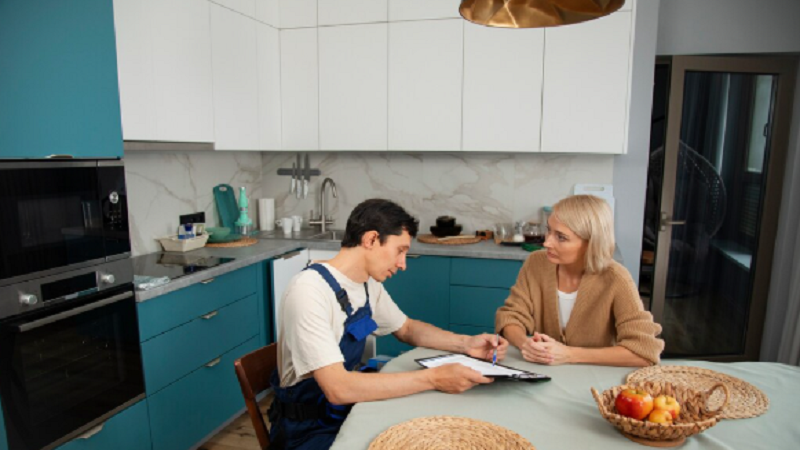
Creating a comfortable, attractive, and functional home does not always require a major renovation or an expensive remodeling project. Small improvements, thoughtful design choices, and better organization can make a noticeable difference in how a home looks and feels. With the right planning, homeowners can improve their living spaces while managing costs and making better use of the space they already have. Exploring home upgrading advice mintpalment can help homeowners understand practical ways to refresh interiors, modernize kitchens, and improve everyday comfort.
Home improvement involves more than choosing new furniture or changing wall colors. It also includes improving lighting, increasing storage, selecting durable materials, enhancing energy efficiency, and creating a layout that supports daily routines. Every room serves a different purpose, so the best upgrades are those that combine visual appeal with practical value.
Whether someone is planning a kitchen refresh, updating a living room, or making gradual changes throughout the house, a clear plan can prevent unnecessary expenses. This guide explores home upgrading mintpalment, kitchen improvement ideas, interior design principles, and practical upgrades that can help create a more welcoming and efficient home.
Why Home Upgrading Matters
A well maintained home supports comfort, convenience, and a better daily living experience. Over time, paint may fade, fixtures can become outdated, storage may no longer meet household needs, and certain areas may become less practical. Home upgrades help address these issues while allowing homeowners to adapt their spaces to changing lifestyles.
Some improvements focus mainly on appearance, such as repainting walls, updating cabinet handles, or adding decorative lighting. Other projects improve functionality, including installing better storage, replacing worn flooring, improving ventilation, or repairing damaged fixtures. The most effective projects often combine both purposes.
Home improvements can also help homeowners maintain their property’s condition. Addressing small maintenance problems early may prevent them from becoming more expensive repairs later. For example, repairing a leaking faucet, sealing a drafty window, or improving bathroom ventilation can protect the home while making it more comfortable.
Home Upgrading Advice Mintpalment for Every Room
Good home upgrading advice begins with understanding how each room is used. A family living room may need durable furniture and flexible seating, while a bedroom may benefit from better lighting, calming colors, and organized storage. A kitchen requires convenient work surfaces, safe movement, and accessible everyday items.
Before purchasing anything, walk through the home and identify the areas that create the most difficulty. Perhaps the entryway collects clutter, the living room feels too dark, or kitchen cabinets are difficult to organize. Addressing these practical problems first can produce better results than making changes simply because a particular design trend is popular.
Improve the Living Room
The living room often serves several purposes, including relaxing, entertaining guests, watching television, and spending time with family. A thoughtful layout can make the room feel more comfortable without requiring new furniture. Arrange seating to encourage conversation and leave enough space for people to move around easily.
Lighting can also change the appearance of a living room. Combine natural daylight with ceiling fixtures, floor lamps, or table lamps where appropriate. Using several light sources can create a more flexible atmosphere than relying on a single bright fixture.
Accessories such as cushions, rugs, curtains, and artwork can introduce color and texture without requiring a complete redesign. Choose a consistent color palette so that these elements complement one another rather than making the room feel crowded.
Refresh the Bedroom
A bedroom should support rest, privacy, and personal comfort. Simple changes such as fresh bedding, organized bedside tables, suitable curtains, and a clutter free floor can make the space feel more peaceful. Neutral colors and natural textures are popular options, although personal preferences should guide the final design.
Storage is another important consideration. Under bed containers, closet organizers, shelves, and furniture with built in storage can help keep personal belongings organized. Before buying additional storage furniture, review what is already in the room and remove items that are no longer needed.
Make the Entryway More Functional
The entryway creates the first impression of a home and can easily become cluttered. A small bench, wall hooks, a shoe rack, and a tray for keys can make this area more organized. In a narrow hallway, wall mounted storage may be more practical than bulky furniture.
Good lighting and a clean entrance can also improve the appearance of the space. Even simple changes can make coming home more convenient and help keep dirt and clutter from spreading into other rooms.
Kitchen Upgrading Tips Mintpalment for a More Practical Space
The kitchen is one of the most frequently used areas of a home. It supports cooking, food preparation, cleaning, storage, and sometimes family gatherings. Effective kitchen upgrading tips mintpalment should therefore focus on convenience, durability, cleanliness, and an efficient layout rather than appearance alone.
Start by evaluating how the kitchen functions. Notice whether commonly used ingredients are difficult to reach, whether the countertops have enough workspace, and whether the lighting is adequate for preparing food. These observations can help determine which improvements will provide the greatest benefit.
Upgrade Kitchen Storage
Well organized storage makes cooking easier and helps prevent clutter. Drawer dividers, adjustable shelf organizers, pull out baskets, and containers for dry ingredients can help make better use of available cabinet space. Keep everyday items close to the areas where they are used most often.
For example, store cooking utensils near the stove and keep plates and glasses near the dishwasher or sink when the layout allows. Frequently used spices should be accessible without creating unnecessary clutter around the cooking area.
Vertical space can also be useful. Wall mounted shelves or rails may provide extra storage for lightweight items, provided they are installed securely and do not interfere with cooking or movement. Avoid placing heavy objects where they could fall or create a safety hazard.
Improve Kitchen Lighting
Kitchen lighting should support both practical tasks and the overall atmosphere of the room. General ceiling lighting provides basic illumination, while under cabinet lights can brighten countertops where food is prepared. Pendant lights may work well above an island or dining area when the ceiling height and layout allow.
Choose lighting that makes food preparation surfaces easy to see. Shadows around sinks, cutting boards, and cooking areas can make routine tasks more difficult. Energy efficient LED fixtures are a practical option for many kitchens because they use less electricity than traditional incandescent bulbs.
Refresh Cabinets and Hardware
Replacing every kitchen cabinet can be expensive, especially when the existing cabinets are structurally sound. Cleaning cabinet surfaces, repainting suitable finishes, or replacing worn handles may provide a noticeable visual improvement at a lower cost.
Before painting, check whether the cabinet material and existing finish are suitable for the selected product. Proper cleaning, preparation, and priming are important for a durable result. If cabinets are damaged by moisture or have loose structural components, repairs may be necessary before cosmetic work begins.
New handles and drawer pulls can also update the kitchen’s style. Select hardware that fits the existing holes where possible to reduce additional drilling and repair work.
Update the Backsplash and Countertops
A backsplash protects the wall behind cooking and cleaning areas while contributing to the kitchen’s appearance. Tile, suitable wall panels, and other kitchen rated materials can provide different styles and maintenance requirements. Select a surface that is easy to clean and appropriate for its location.
Countertops should be chosen according to durability, budget, appearance, and maintenance needs. Some materials require regular sealing, while others may be more resistant to staining or routine wear. Compare the practical requirements of each material before making a decision.
Not every kitchen needs a complete countertop replacement. Repairing minor damage, improving organization, and refreshing surrounding finishes may be sufficient when the existing surface remains safe and functional.
Kitchen Upgrading Advice Mintpalment for Different Budgets
Kitchen upgrades can be completed in stages, allowing homeowners to prioritize the most important changes first. A limited budget does not necessarily prevent a kitchen from looking cleaner, brighter, and more organized.
Low Cost Kitchen Improvements
Affordable improvements include deep cleaning, reorganizing cabinets, replacing old handles, adding drawer dividers, and improving the arrangement of countertop appliances. Washing curtains, cleaning grout, and removing unnecessary items can also make the kitchen feel refreshed.
Another useful change is to create a consistent appearance by coordinating small accessories. Matching storage containers, dish towels, and countertop organizers can reduce visual clutter without requiring expensive renovations.
Medium Budget Improvements
With a moderate budget, homeowners might consider replacing outdated light fixtures, installing a new backsplash, improving cabinet finishes, or replacing an inefficient faucet. These changes can improve the kitchen’s appearance and everyday usability.
Before selecting new fixtures, check compatibility with existing plumbing, electrical connections, and cabinet dimensions. Professional installation may be necessary for projects involving electrical work, plumbing changes, or heavy materials.
Larger Kitchen Renovations
A major kitchen renovation may involve new cabinets, countertops, flooring, appliances, or changes to the layout. These projects require more planning because they can affect plumbing, electrical systems, ventilation, and structural components.
Prepare a detailed budget that includes materials, labor, permits where required, disposal costs, and a contingency for unexpected problems. If the renovation involves moving gas lines, modifying structural walls, or changing major electrical connections, use qualified professionals and follow local building requirements.
What Is the Most Important Thing in Interior Design Mintpalment?
When considering what is the most important thing in interior design mintpalment, the most useful starting point is functionality. A beautiful room should also work well for the people who use it. Furniture, lighting, colors, storage, and decorative elements should support the room’s purpose rather than make it difficult to use.
Functionality does not mean that appearance is unimportant. Instead, it provides a foundation for making attractive choices that remain practical. For example, a living room may look elegant with a large sofa, but if the sofa blocks a doorway or makes movement difficult, the arrangement needs improvement. Similarly, a kitchen may feature beautiful cabinets but still be frustrating if essential items are hard to reach.
Balance and Proportion
Balance refers to how visual weight is distributed within a room. A large piece of furniture may be balanced by several smaller elements, while an oversized decorative object can make a compact room feel crowded. Proportion helps ensure that furniture and accessories suit the dimensions of the space.
Before purchasing furniture, measure the room, doorways, and available walking areas. Consider how doors open and whether drawers can be pulled out comfortably. These simple checks can prevent expensive mistakes and improve the final layout.
Color Coordination
Color influences the mood and visual character of an interior. Light colors can help a small room feel brighter, while deeper shades may create a more intimate atmosphere. However, no single color scheme works for every home, and natural lighting can change how colors appear throughout the day.
Choose a main color palette and repeat selected shades across walls, furniture, textiles, and accessories. A coordinated palette helps different elements feel connected without requiring everything to match exactly.
Lighting and Comfort
Lighting plays a major role in how people experience an interior. Natural daylight can make a space feel open, while layered artificial lighting allows rooms to serve different purposes at different times. Reading areas may benefit from focused lighting, while living rooms often work well with a combination of general and accent lights.
Comfort also depends on factors such as temperature, ventilation, noise, and furniture ergonomics. Interior design should address these practical needs alongside color and decoration.
Home Upgrading Mintpalment Through Better Organization
Organization is one of the most accessible ways to improve a home. Even a well decorated room can feel uncomfortable when surfaces are crowded and belongings are difficult to locate. Establishing a place for everyday items helps reduce clutter and makes cleaning easier.
Begin with one area rather than attempting to organize the entire house in a single day. A kitchen drawer, bedroom closet, bathroom cabinet, or entryway shelf can provide a manageable starting point. Sort items into categories, remove things that are no longer useful, and arrange the remaining belongings according to how often they are needed.
Storage solutions should fit the room rather than consume too much space. In smaller homes, furniture that serves more than one purpose can be especially useful. Storage benches, nesting tables, wall mounted shelves, and beds with drawers can help maximize usable space.
Maintaining an organized home also requires simple routines. Returning items to their designated places, clearing countertops regularly, and reviewing storage areas occasionally can prevent clutter from building up again.
Interior Home Improvements Mintpalment That Add Everyday Value
Effective interior home improvements mintpalment focus on changes that make a home more comfortable, durable, and practical. Cosmetic updates can improve appearance, but maintenance and functional improvements are equally important.
Refresh Interior Walls
Paint is one of the simplest ways to change the appearance of a room. A fresh coat can make a space look cleaner and help connect different design elements. Before painting, repair small cracks, fill holes where appropriate, clean the surface, and use a suitable primer when needed.
Select paint based on the room’s conditions. Kitchens and bathrooms may require finishes that are easier to clean and suitable for areas with higher humidity. Proper ventilation during painting and adherence to the product’s safety instructions are important.
Improve Flooring
Flooring affects comfort, appearance, durability, and maintenance. The best option depends on the room, household needs, moisture exposure, and budget. For example, a material suitable for a dry bedroom may not be ideal for an area that frequently gets wet.
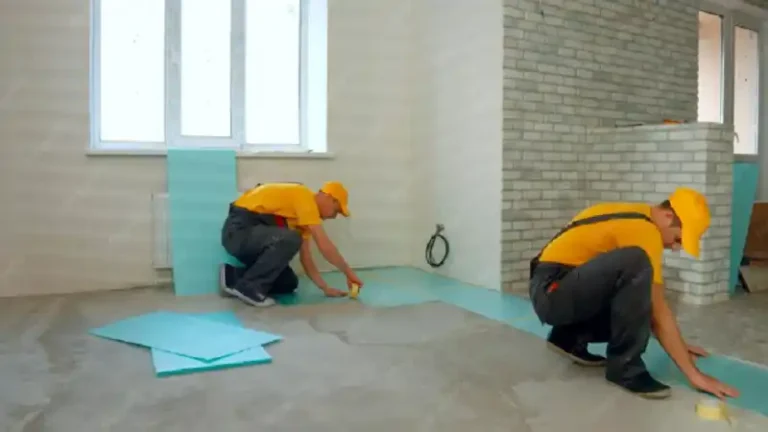
Before replacing flooring, inspect the subfloor and address moisture or structural problems. Installing a new surface over an underlying problem may lead to damage later. If the existing floor is in good condition, thorough cleaning, minor repairs, or a suitable rug may provide a more affordable improvement.
Replace Outdated Fixtures
Old light fixtures, cabinet handles, door hardware, and faucets can make an otherwise attractive interior feel dated. Replacing selected fixtures can create a more consistent appearance throughout the home.
Check measurements and compatibility before buying replacements. Some fixtures are easy to install, while electrical or plumbing work may require professional assistance. Safety should always take priority over saving money on installation.
Improve Ventilation and Indoor Comfort
Proper ventilation helps manage moisture, odors, and indoor air quality. Use kitchen exhaust systems where available, maintain bathroom fans, and address persistent condensation. Water leaks and damp areas should be investigated promptly because ongoing moisture can damage building materials and encourage mold growth.
Energy efficiency is another useful improvement area. Sealing suitable air leaks, maintaining heating and cooling equipment, and using efficient lighting can help reduce unnecessary energy consumption. The best changes depend on the home’s climate, construction, and existing systems.
Home Upgrades Mintpalment for Small Spaces
Small homes and apartments can benefit from carefully selected upgrades that increase usable space without making rooms feel crowded. The goal is to maintain clear pathways and use each area efficiently.
Use Vertical Space
Wall mounted shelves, hooks, and storage rails can help keep frequently used items accessible while freeing floor space. In kitchens, vertical storage can accommodate lightweight utensils or selected pantry items. In living areas, shelves can display books and decorative objects without requiring additional cabinets.
Install wall mounted items using suitable fixings for the wall type and expected weight. Avoid overloading shelves, particularly above beds, seating areas, or busy walkways.
Choose Multi Purpose Furniture
Furniture with more than one function can be useful in compact homes. An ottoman with storage, a dining table that folds away, or a bed with drawers can help reduce the need for separate pieces. Before buying, consider whether the furniture is comfortable and easy to use in its different configurations.
Keep the Layout Open
Too much furniture can make a small room difficult to navigate. Select pieces that suit the room’s dimensions and leave enough space to move safely. Mirrors may help reflect light and create a sense of depth, but they should complement the layout rather than serve as a substitute for good organization.
A simple, coordinated color scheme can also make a compact space feel more cohesive. The aim is not to remove all personality from the room, but to make the available space feel intentional and comfortable.
Budget Planning for Successful Home Upgrades
A realistic budget helps homeowners decide which projects to complete immediately and which can wait. Without a plan, small purchases can accumulate and leave insufficient money for important repairs or installation costs.
Start by listing the problems that need attention. Separate essential maintenance, functional improvements, and optional decorative changes. Repairing a leak or addressing an electrical safety issue should generally take priority over purchasing decorative accessories.
Obtain estimates for larger projects and compare the scope of work rather than looking at the price alone. A quote should make clear which materials, labor, preparation, cleanup, and other expenses are included. For projects with uncertain costs, maintain a contingency reserve based on the scale and condition of the home.
It can also be helpful to divide a large renovation into stages. For example, a kitchen project might begin with organization and lighting, continue with cabinet improvements, and finish with a countertop replacement when the budget allows. Staging work can reduce financial pressure while ensuring that each change supports the overall plan.
Common Home Upgrading Mistakes to Avoid
One common mistake is choosing appearance over function. A trendy item may look attractive in a showroom but prove inconvenient in daily use. Always consider cleaning requirements, durability, dimensions, and how the item fits the household’s routine.
Another mistake is starting work without measuring. Furniture that is too large, appliances that do not fit, or fixtures that are incompatible with existing connections can increase costs. Measure carefully and verify product specifications before purchasing materials.
Homeowners may also underestimate preparation. Painting over damaged surfaces, installing flooring over moisture problems, or fitting new cabinets without checking the walls can lead to poor results. Address underlying issues before focusing on decorative finishes.
Finally, avoid attempting complex work without the necessary skills. Structural changes, major electrical work, gas connections, and significant plumbing modifications can create serious safety risks when performed incorrectly. Qualified professionals can help ensure that the work complies with applicable standards and local requirements.
Frequently Asked Questions
What are the best home upgrading ideas for beginners?
Start with manageable projects such as decluttering, repainting a room, improving lighting, organizing storage, or replacing suitable cabinet hardware. These changes can improve the appearance and function of a home without requiring a full renovation.
How can I upgrade my kitchen without spending too much?
Clean and reorganize cabinets, install drawer dividers, replace outdated handles, improve countertop lighting, and refresh suitable cabinet finishes. Prioritize changes that solve everyday problems before investing in expensive decorative upgrades.
What is the most important thing in interior design?
Functionality is a strong starting point because a room should support the activities that take place in it. Good design also considers proportion, color, lighting, comfort, and personal style.
Do home upgrades increase property value?
Some upgrades may improve a property’s appeal and marketability, but the financial return depends on the location, quality of work, buyer preferences, and project cost. Necessary repairs and well maintained spaces can be valuable, but expensive renovations do not always recover their full cost.
How should I choose which home improvement to do first?
Prioritize safety issues, active maintenance problems, and improvements that make everyday life difficult. After those needs are addressed, consider projects that fit your budget and provide the greatest practical benefit.
Can small interior changes make a big difference?
Yes. Better lighting, coordinated colors, organized storage, suitable furniture placement, and fresh finishes can noticeably change how a room looks and functions. Small improvements are especially effective when they address a specific problem rather than adding unnecessary decoration.
Conclusion
Improving a home is a gradual process that combines planning, practical decisions, and personal style. Useful home upgrading advice mintpalment begins with understanding the household’s needs and identifying the areas that would benefit most from improvement. Whether the project involves reorganizing a living room, refreshing kitchen cabinets, improving lighting, or making a larger renovation, a clear plan can help control costs and produce more satisfying results.
The most effective kitchen upgrading tips mintpalment focus on storage, lighting, durable materials, and convenient work areas. Similarly, successful interior home improvements mintpalment balance visual appeal with comfort, safety, and long term usability. Homeowners can often make meaningful progress through smaller changes before committing to expensive projects.
By prioritizing functionality, setting a realistic budget, and maintaining the home consistently, it becomes easier to create a space that feels welcoming and works well for everyday life. Thoughtful upgrades do not need to happen all at once. Each well planned improvement can contribute to a more comfortable, organized, and attractive home. See more