
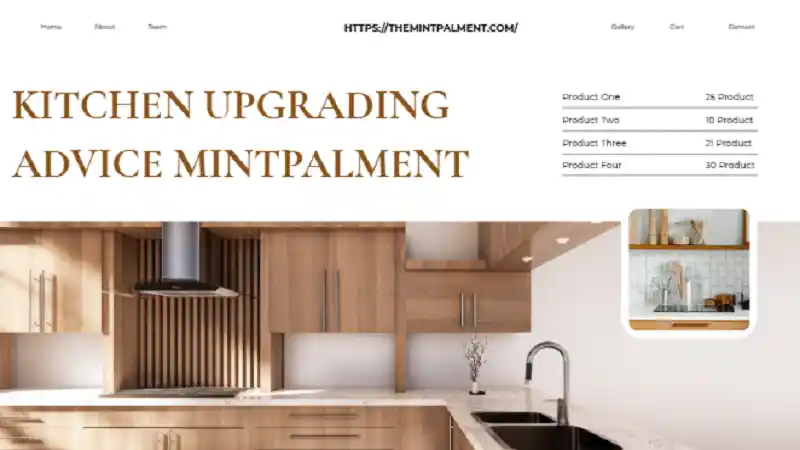
A kitchen is often the most used space in a home, and it plays a major role in comfort, efficiency, and overall lifestyle. When a kitchen starts to feel outdated or less functional, upgrading it can bring new life into the entire home. Whether the goal is to improve storage, enhance cooking convenience, or simply refresh the design, a well-planned upgrade can make a big difference.
When considering kitchen upgrading advice mintpalment, it is important to focus on practicality first and appearance second. A beautiful kitchen that does not function well will quickly become frustrating to use. On the other hand, a well-designed kitchen that supports daily routines can improve productivity and enjoyment for years.
This article provides simple, clear, and practical guidance for upgrading a kitchen step by step. It covers planning, budgeting, design, and common mistakes so that homeowners can make informed decisions without unnecessary stress.
Why Upgrading a Kitchen Matters
Upgrading a kitchen is not only about style changes. It is about improving how the space works. Over time, kitchens can become inefficient due to wear and tear, outdated layouts, or insufficient storage.
A modern kitchen upgrade can help in several ways:
- Improve cooking efficiency
- Increase storage space
- Enhance safety features
- Reduce energy usage with better appliances
- Improve home value
Even small changes, such as new lighting or cabinet adjustments, can make daily tasks easier. A well-upgraded kitchen also creates a more welcoming environment for family gatherings and social activities.
Planning the Kitchen Upgrade
Proper planning is the foundation of any successful kitchen renovation. Without a clear plan, costs can increase and results may not meet expectations.
As part of kitchen upgrading advice mintpalment, planning should always start with identifying the main purpose of the upgrade. Ask questions such as:
- What problems exist in the current kitchen?
- Is more storage needed?
- Is the layout inefficient?
- Are appliances outdated?
Once these questions are answered, the next step is creating a layout idea. The kitchen work triangle—sink, stove, and refrigerator—should be considered for efficiency.
A good plan also includes:
- Measuring the kitchen space accurately
- Sketching layout ideas
- Deciding what stays and what changes
- Setting priorities for upgrades
Planning carefully reduces mistakes later and helps ensure that the final result matches expectations.
Budgeting for a Smart Upgrade
Budgeting is one of the most important parts of kitchen renovation. Without a clear budget, costs can quickly get out of control.
When following kitchen upgrading advice mintpalment, it is helpful to divide the budget into categories:
- Cabinets and storage
- Countertops
- Appliances
- Flooring
- Lighting
- Labor costs
It is also important to set aside extra money for unexpected expenses. A common guideline is to reserve at least 10–15% of the total budget for surprises such as plumbing issues or structural adjustments.
Smart budgeting also means knowing where to spend more and where to save. For example, investing in durable countertops and efficient appliances may provide better long-term value than spending heavily on decorative items.
Avoid rushing decisions based only on appearance. Instead, focus on long-lasting materials and practical upgrades that improve daily use.
Design Ideas for a Better Kitchen
Design plays a major role in how enjoyable a kitchen feels. A good design combines beauty with functionality.
One popular approach is the open kitchen layout, which connects the kitchen with dining or living spaces. This creates a more spacious and social environment.
Other design ideas include:
- Light-colored cabinets to make the space look bigger
- Minimalist designs to reduce clutter
- Smart storage solutions hidden in drawers and cabinets
- Durable and easy-to-clean surfaces
Lighting is also a key part of design. Natural light should be maximized when possible, while artificial lighting should be layered (task lighting, ambient lighting, and accent lighting).
When applying kitchen upgrading advice mintpalment, design should always support function first. A visually appealing kitchen is important, but ease of use should never be sacrificed.
Choosing Cabinets and Countertops
Cabinets and countertops are two of the most visible and frequently used parts of a kitchen. Choosing the right materials can significantly impact both appearance and durability.
Cabinets should be strong, well-built, and designed for efficient storage. Options include wood, laminate, and engineered materials. Soft-close hinges and adjustable shelves add convenience.
Countertops should be resistant to heat, stains, and scratches. Popular materials include granite, quartz, and solid surfaces. Each material has different maintenance needs, so it is important to choose based on lifestyle.
Proper alignment between cabinets and countertops improves both appearance and usability. Matching colors and textures can also create a balanced and modern look.
Lighting Improvements
Lighting is often underestimated in kitchen design, but it has a major impact on both function and mood.
A well-lit kitchen includes three types of lighting:
- Task lighting – focused light for cooking and preparation areas
- Ambient lighting – overall room lighting
- Accent lighting – decorative lighting for style
Under-cabinet lighting is especially useful for improving visibility on countertops. Pendant lights over islands can also add both style and function.
Good lighting makes cooking safer and more comfortable while also improving the overall look of the kitchen.
Appliance Upgrades
Modern appliances can improve efficiency, save energy, and make cooking easier. When upgrading a kitchen, it is important to choose appliances that fit the household’s needs.
Key appliances to consider include:
- Refrigerator
- Stove or cooktop
- Oven
- Dishwasher
- Microwave
Energy-efficient appliances are a smart choice because they reduce electricity bills over time. Smart appliances with digital controls can also improve convenience.
Size matters as well. Appliances should fit the kitchen layout without making the space feel crowded.
Storage Optimization
Storage is one of the most common challenges in kitchen design. A well-organized kitchen reduces clutter and improves workflow.
Effective storage ideas include:
- Deep drawers for pots and pans
- Pull-out shelves for easy access
- Corner cabinets with rotating trays
- Vertical storage for baking sheets
- Overhead cabinets for rarely used items
Maximizing vertical space is especially useful in smaller kitchens. Every unused corner or wall space can be turned into practical storage.
A well-organized kitchen feels larger, cleaner, and easier to use.
Common Mistakes to Avoid
Many kitchen upgrades fail because of avoidable mistakes. Being aware of these can save time and money.
Common mistakes include:
- Ignoring workflow and layout efficiency
- Choosing style over function
- Underestimating budget needs
- Poor lighting planning
- Not enough storage space
- Overcrowding the kitchen with appliances
Another mistake is rushing the design process. A kitchen should be carefully thought out before any construction begins.
Step-by-Step Upgrade Checklist
A simple checklist can help keep the project organized:
- Identify kitchen problems and goals
- Set a realistic budget
- Plan layout and design
- Choose materials and finishes
- Select appliances
- Plan lighting setup
- Arrange storage solutions
- Begin renovation work
- Inspect and adjust final details
Following these steps helps ensure a smooth and efficient upgrade process.
Conclusion
A kitchen upgrade is one of the most valuable home improvements a homeowner can make. It enhances comfort, increases functionality, and adds long-term value to the property. With careful planning, smart budgeting, and thoughtful design choices, even an older kitchen can be transformed into a modern and efficient space.
Using kitchen upgrading advice mintpalment as a guiding principle, homeowners can focus on balancing beauty with practicality. A successful kitchen upgrade is not just about changing how the kitchen looks, but about improving how it works in everyday life.
By avoiding common mistakes and following a structured approach, anyone can create a kitchen that is both functional and enjoyable for years to come.
FAQs
1. What is the first step in a kitchen upgrade?
The first step is to assess your current kitchen and identify what needs improvement, such as layout issues, storage limitations, or outdated appliances. Good planning is a key part of kitchen upgrading advice mintpalment because it sets the direction for the entire project.
2. How much budget should I set for a kitchen renovation?
There is no fixed amount, but it is important to divide your budget into categories like cabinets, appliances, and labor. Always keep an extra 10–15% for unexpected costs. Careful budgeting is an essential part of kitchen upgrading advice mintpalment to avoid overspending.
3. What are the most important areas to focus on during a kitchen upgrade?
The most important areas are layout efficiency, storage, lighting, and appliances. These elements affect how functional your kitchen will be. Following kitchen upgrading advice mintpalment, focus on practicality before design.
4. How can I make a small kitchen look bigger?
You can use light colors, improve lighting, and reduce clutter to make a small kitchen feel larger. Smart storage solutions also help maximize space. This is a useful tip often included in kitchen upgrading advice mintpalment for compact kitchens.
5. Do I need professional help for a kitchen upgrade?
It depends on the complexity of the project. Simple updates may be done yourself, but major renovations involving plumbing, wiring, or structural changes usually require professionals. Good planning in line with kitchen upgrading advice mintpalment helps you decide when expert help is necessary.