
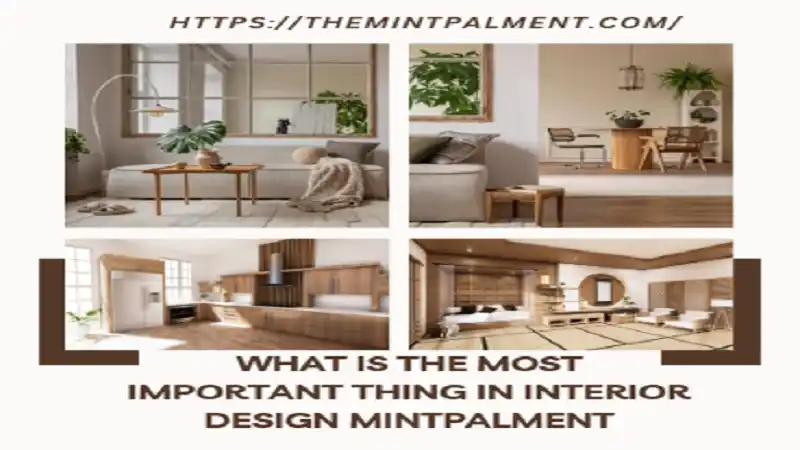
Interior design is more than just arranging furniture or choosing colours—it is about creating spaces that feel comfortable, functional, and visually appealing. Many people wonder what truly matters most when designing a room. While there are several important elements like lighting, colour, furniture, and layout, one core principle ties everything together: the balance between functionality and aesthetics.
This article will explain the key aspects of interior design in a simple and practical way, helping you understand what matters most and how to apply it in your own space.
Understanding Interior Design
Interior design is the art and science of enhancing indoor spaces to achieve a healthier and more aesthetically pleasing environment. It combines creativity with practicality. A well-designed room should not only look good but also serve its purpose effectively.
When asking what is the most important thing in interior design mintpalment, the answer often points to how well a space meets the needs of the people using it while maintaining visual harmony.
The Core Principle: Functionality First
Before focusing on decoration, it’s essential to understand how a space will be used. Functionality should always come first.
Why Functionality Matters
- A living room should allow easy movement and comfortable seating
- A kitchen should support efficient cooking and storage
- A bedroom should promote rest
If a space looks beautiful but is difficult to use, the design fails its purpose. Always start by asking: What will this space be used for?
The Role of Aesthetics
Once functionality is established, aesthetics come into play. This includes colour schemes, textures, patterns, and decorative elements.
Key Aesthetic Elements
- Colour: Sets the mood of the room
- Texture: Adds depth and interest
- Patterns: Create visual excitement
- Decor: Personalizes the space
Aesthetic choices should complement the function of the room. For example, calm colours work well in bedrooms, while vibrant tones may suit social spaces.
Balance and Harmony
Balance is one of the most important principles in interior design. It ensures that a room feels stable and visually pleasing.
Types of Balance
- Symmetrical Balance: Equal arrangement on both sides (formal and traditional)
- Asymmetrical Balance: Different objects arranged to create equilibrium (modern and dynamic)
- Radial Balance: Elements arranged around a central point
Achieving harmony means all elements in the room work together rather than compete for attention.
Importance of Space Planning
Space planning involves arranging furniture and objects in a way that maximizes usability and flow.
Tips for Effective Space Planning
- Avoid overcrowding the room
- Leave enough walking space
- Arrange furniture based on focal points
- Consider natural movement patterns
A well-planned space feels open and comfortable, even if it is small.
Lighting: The Game Changer
Lighting can completely transform a room. It affects both functionality and mood.
Types of Lighting
- Ambient Lighting: General illumination
- Task Lighting: Focused light for specific tasks
- Accent Lighting: Highlights decorative features
Natural light is always the best option when available. Proper lighting enhances colours, textures, and overall ambience.
Colour Psychology in Interior Design
Colours influence emotions and behaviour. Choosing the right colour scheme is essential.
Common Colour Effects
- Blue: Calm and relaxing
- Yellow: Energetic and cheerful
- Green: Balanced and refreshing
- Neutral tones: Clean and timeless
When thinking about what is the most important thing in interior design mintpalment, colour often plays a big role in shaping the overall experience of a space.
Furniture Selection and Placement
Furniture should be both functional and stylish. It should fit the scale of the room and serve its purpose effectively.
Guidelines for Furniture
- Choose the right size for your space
- Prioritize comfort
- Avoid blocking pathways
- Maintain visual balance
Less is often more. Too much furniture can make a room feel cramped.
The Power of Focal Points
Every room should have a focal point—a feature that draws attention.
Examples of Focal Points
- A fireplace
- A large window
- A statement piece of furniture
- Artwork
Once a focal point is established, arrange other elements around it to create a cohesive look.
Texture and Materials
Texture adds depth and interest to a space. Mixing different materials creates a rich and inviting environment.
Examples of Textures
- Soft fabrics like cushions and rugs
- Hard surfaces like wood and metal
- Natural materials like stone and plants
Combining textures prevents a room from feeling flat or boring.
Personalization and Style
A well-designed space reflects the personality of its owner. Personal touches make a house feel like a home.
Ways to Personalize Your Space
- Display meaningful items
- Use family photos or artwork
- Choose colours and styles you love
- Incorporate cultural or personal elements
Interior design is not about following trends blindly—it’s about creating a space that feels right for you.
Common Mistakes to Avoid
Even with the best intentions, some common mistakes can affect the outcome of a design.
Mistakes to Watch Out For
- Ignoring functionality
- Poor lighting choices
- Overcrowding the space
- Lack of planning
- Choosing style over comfort
Avoiding these mistakes can significantly improve the quality of your interior design.
Practical Guidelines for Beginners
If you are new to interior design, follow these simple steps:
- Start with a clear purpose for the space
- Choose a basic colour palette
- Plan your layout before buying furniture
- Focus on lighting
- Add textures and decorative elements gradually
- Keep the design simple and balanced
By following these guidelines, you can create a space that is both functional and attractive.
Bringing It All Together
Interior design is a combination of many elements working together. While each component—colour, lighting, furniture, and layout—is important, the key lies in how they are balanced.
When considering what is the most important thing in interior design mintpalment, it becomes clear that no single element works alone. The success of a design depends on how well all parts come together to create a comfortable and visually pleasing environment.
Final Thoughts
Interior design is not about perfection—it’s about creating spaces that improve daily life. The most important thing is finding the right balance between how a space looks and how it functions.
By focusing on functionality, maintaining balance, and adding personal touches, anyone can create a beautiful and practical living space. Whether you are redesigning a single room or an entire home, understanding these principles will help you make better design decisions.
In the end, great interior design is about making a space feel right—for both the eyes and the people who live in it.